

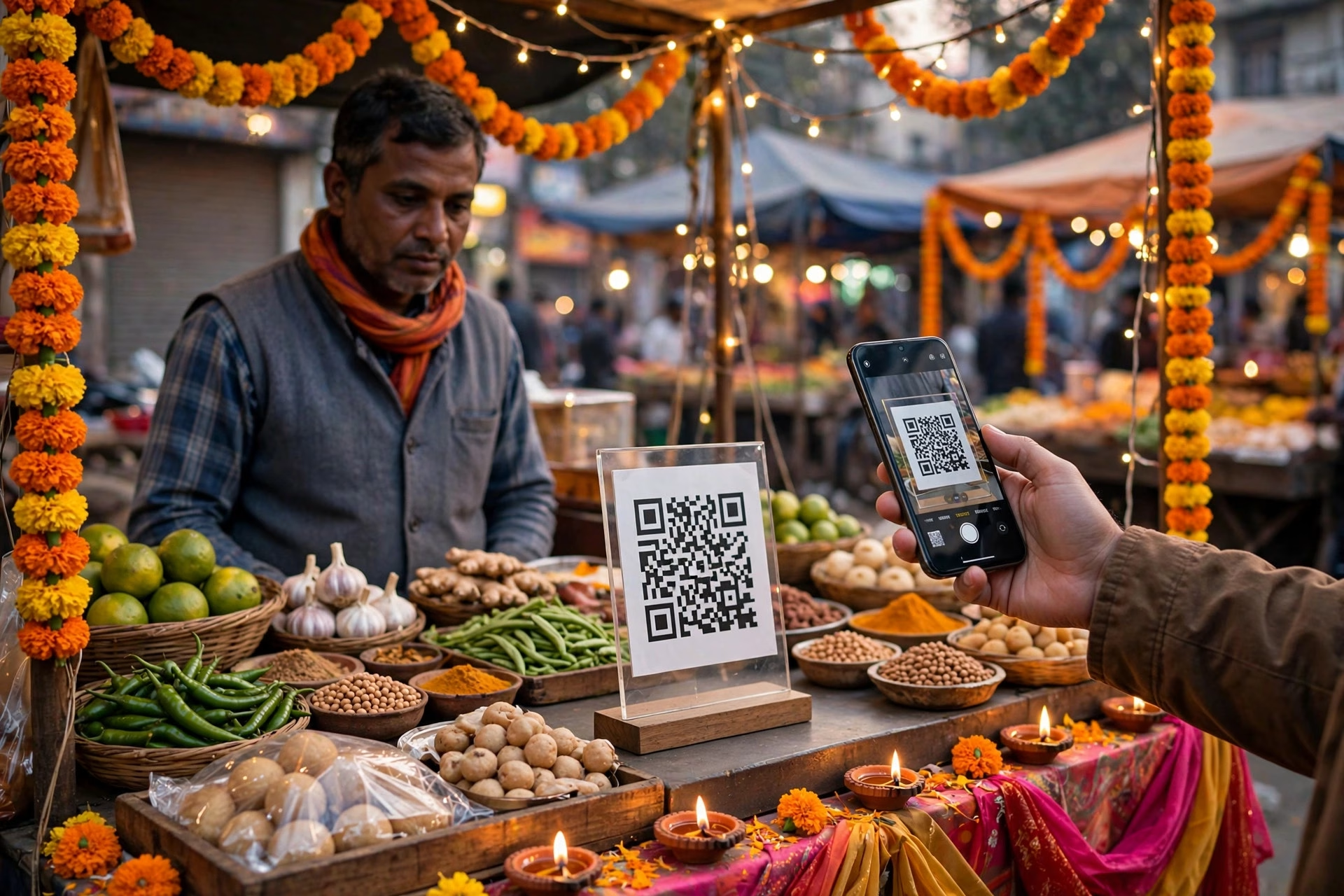
The planned merchant discount rate (MDR) on large UPI transactions has been deferred, giving retailers, fintechs and political leaders who opposed the levy a festive-season reprieve.
On Tuesday, October 13, 2026, NPCI’s UPI and Services Steering Committee decided to postpone the implementation of a 0.4 per cent MDR — capped at Rs 300 per transaction — on person-to-merchant UPI transactions above Rs 2,000. The charge was originally scheduled to come into effect on October 15.
The new implementation date has been set for “immediately after Diwali” — November 8 — with the exact date to be notified separately. The festive season was cited as a reason for the deferral.
The MDR framework had drawn opposition from retailers, fintech companies and political leaders since it was proposed. Critics argued that introducing a charge on UPI — which has grown on the back of being free for merchants — could disrupt adoption and add costs during the busiest shopping season of the year.
The proposal envisaged a 0.4 per cent levy on each person-to-merchant transaction above Rs 2,000, with a cap of Rs 300 per transaction. The debate around it has been closely watched because UPI has so far operated without merchant charges, a key factor in its rapid spread across small and large businesses alike.
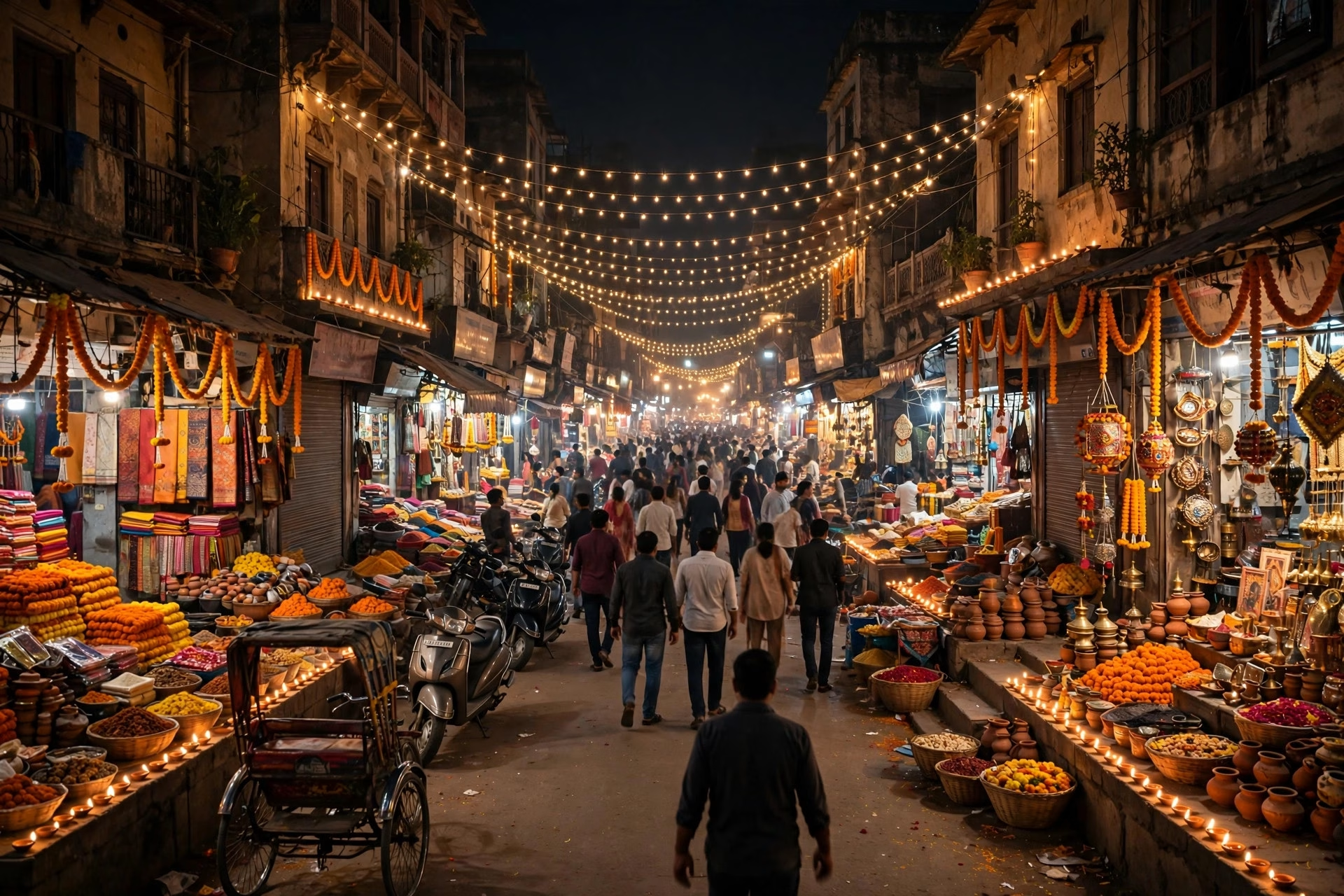
By pushing the rollout to after Diwali, the steering committee has effectively moved the change beyond the peak festive window, when transaction volumes traditionally surge. Diwali falls on November 8 this year, and the deferred date will be notified separately after that.
The decision does not scrap the MDR framework — it only delays it. The committee’s move keeps the proposal alive while giving stakeholders more time to prepare. For merchants bracing for the additional cost, the delay offers a few more weeks of clarity on pricing and payment strategy.
What happens next will depend on the notification of the new date and any adjustments to the framework in the interim. The opposition from retailers, fintechs and political leaders suggests the issue is far from settled, and the weeks after Diwali may see renewed debate over whether — and in what form — the charge should apply.
For now, shoppers and merchants head into the festive season with UPI transactions continuing as before. The October 13 decision by the steering committee ensures that the biggest shopping days of the year will not coincide with the introduction of a new payment levy.
To recap: the 0.4 per cent charge, capped at Rs 300 per transaction, was meant to apply to person-to-merchant UPI payments above Rs 2,000 from October 15. It will now take effect immediately after Diwali on November 8, with the precise date to be notified separately — a decision shaped by festive-season concerns and the opposition voiced by retailers, fintechs and political leaders.
