

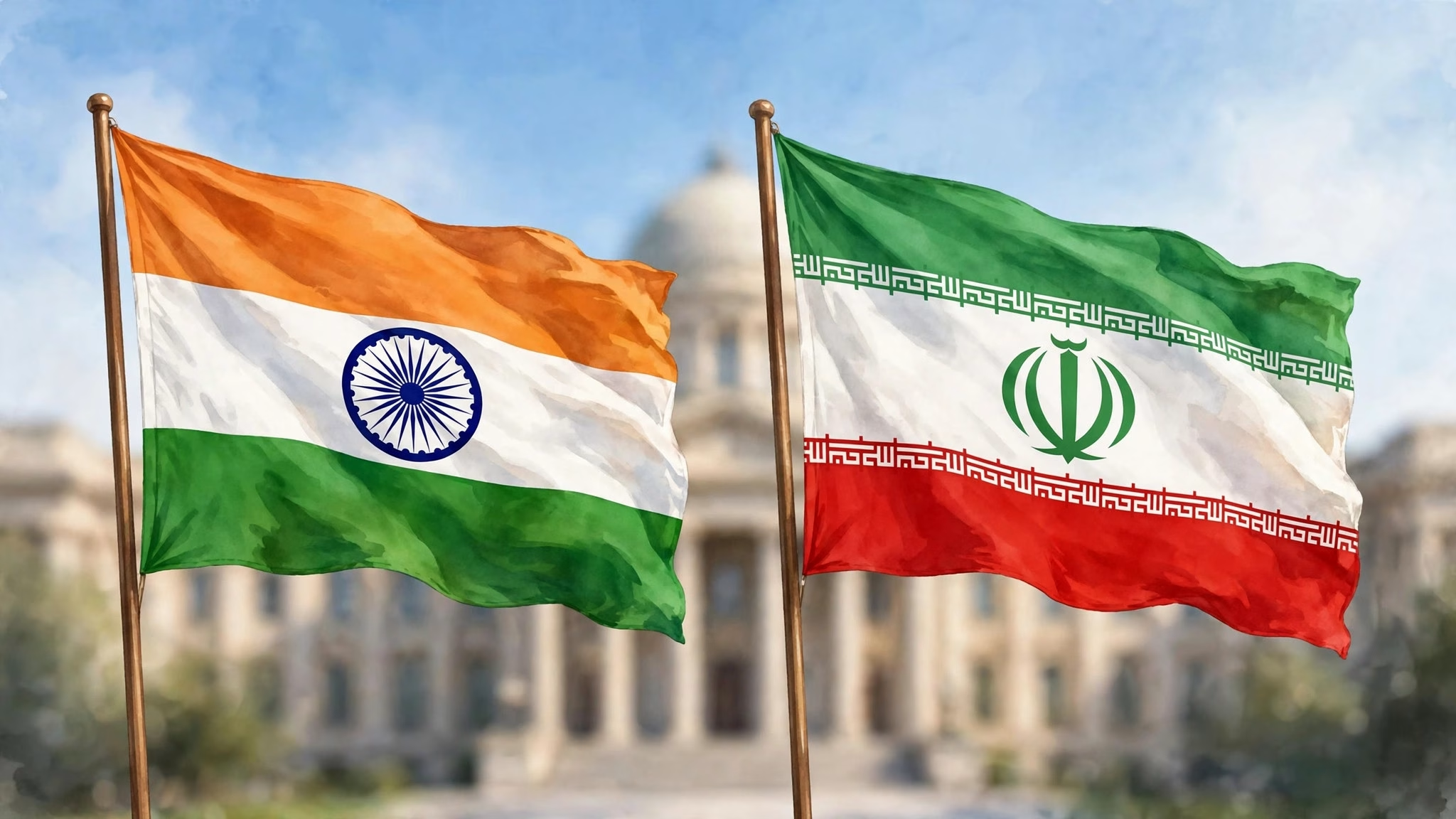
NEW DELHI: National Security Adviser Ajit Doval on Monday held a telephonic conversation with Mohsen Rezaei, Secretary of Iran’s Supreme National Security Council, exchanging views on regional and international developments and issues of mutual interest, the Iranian Embassy in New Delhi announced on X.
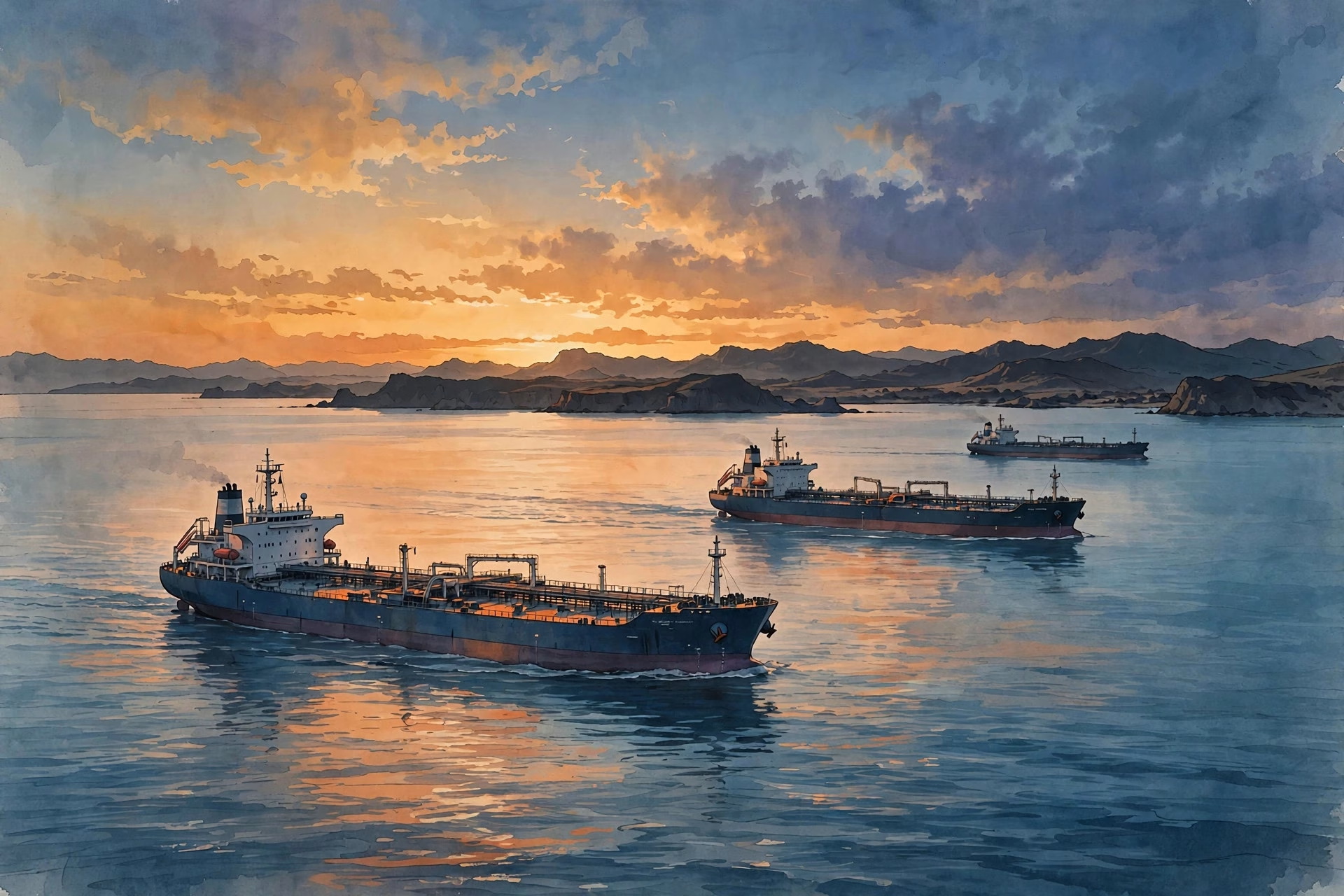
The call comes at a delicate moment for the Gulf, with commercial shipping in the region under repeated attack and tensions running high around the Strait of Hormuz, the narrow waterway through which a large share of the world’s oil — and a significant portion of India’s energy imports — transits.
New Delhi’s stakes in the conversation are immediate and human. Two Indian seafarers remain missing following a drone attack on the merchant tanker MT Petro Dolphin, an incident that has sharpened Indian concern over the safety of its nationals working aboard vessels in Gulf waters.

India has traditionally walked a careful line in the region — maintaining working ties with Tehran while deepening its strategic partnerships across the Gulf. The Doval–Rezaei conversation fits that pattern: high-level, security-focused engagement aimed at keeping communication channels open as the regional security picture deteriorates.
The Strait of Hormuz remains the central anxiety. Any sustained disruption to traffic through the strait would hit global energy markets and feed directly into India’s import bill, making maritime security in the Gulf a first-order economic concern for New Delhi, not merely a diplomatic one.
Monday’s call is distinct from the conversation Doval held in May 2025 with then-SNSC secretary Ali Akbar Ahmadian; Rezaei now holds the Iranian security portfolio, and the two sides used the call to take stock of a markedly more volatile regional landscape than the one that framed last year’s exchange.
Indian officials have in recent weeks stepped up engagement with regional capitals over the safety of shipping lanes and Indian crew, even as New Delhi avoids taking public positions that could complicate its relationships on either side of the Gulf’s divides.
Beyond the immediate crisis, the call underscores how deeply India’s economic security is tied to Gulf stability. Millions of Indian workers are employed across the region, and its ports and refineries depend on uninterrupted energy flows — giving New Delhi both a humanitarian and a commercial imperative to keep the region’s waterways calm.
Neither side released a detailed readout of the conversation beyond the embassy’s announcement. But the timing — with Hormuz on edge and Indian sailors unaccounted for — leaves little doubt about what dominated the agenda: keeping the sea lanes open, and keeping Indian lives safe on them.
