

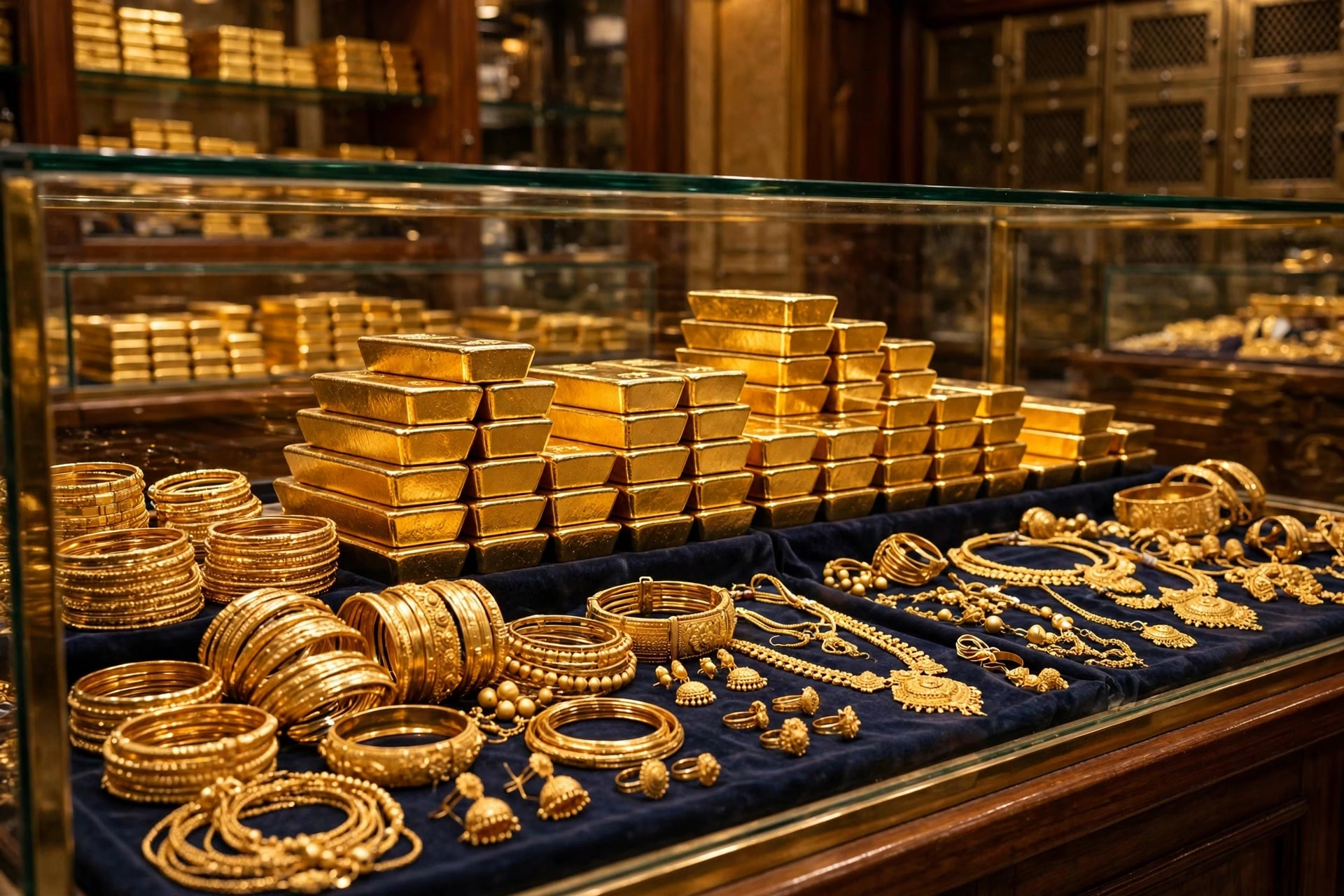
Gold prices inched higher on Tuesday, October 20, 2026, as the precious metal held near elevated levels amid continued festive-season buying across Indian markets. The wholesale bullion reference rate for 24-karat gold stood at ₹14,906 per gram, translating to ₹1,49,061 for 10 grams, while 22-karat gold was priced at ₹13,654 per gram, or ₹1,36,540 per 10 grams. Eighteen-karat gold traded at ₹11,180 per gram, amounting to ₹1,11,796 per 10 grams.
Silver, too, edged up in the wholesale market. Fine silver (999 purity) was quoted at ₹2,14,745 per kilogram. On the day, gold moved up by ₹88 per 10 grams, a marginal gain of 0.06 per cent, while silver added ₹665 per kilogram, a rise of 0.31 per cent.
An important clarification for buyers: these are reported wholesale bullion-market reference rates, compiled from tracking of the Zaveri Bazar and All India Bullion Association benchmarks. They are not the prices charged at jewellery shops. Retail prices in cities across India run higher than these figures, because jewellers add the three per cent Goods and Services Tax and making charges to the base rate. Buyers should treat these numbers as the wholesale reference and check the final retail price with their local jeweller before purchasing.
City-wise, the 24-karat rate per 10 grams on Tuesday read as follows: Delhi ₹1,49,261; Mumbai ₹1,49,061; Chennai ₹1,49,346; Kolkata ₹1,48,861; Hyderabad ₹1,49,311; Bengaluru ₹1,49,251; Ahmedabad ₹1,49,161; and Jaipur ₹1,49,111. The modest variation between cities reflects differences in local taxes, transport costs, and dealer margins rather than any change in the underlying bullion price.
The firmness in prices comes at a time when physical demand traditionally peaks in India. Dussehra has just concluded and the market is now heading towards Diwali, the single busiest gold-buying window of the year. Bullion dealers report that retail footfall in showrooms across major cities has been gathering pace over the past week, with buyers looking to lock in prices ahead of the festival.
Analysts note that gold’s resilience this season is also being supported by broader market factors. Global central-bank buying has remained steady through the year, and investors continue to hold gold as a hedge against geopolitical uncertainty and currency volatility. These undercurrents have kept the yellow metal well-supported even as equities have climbed.
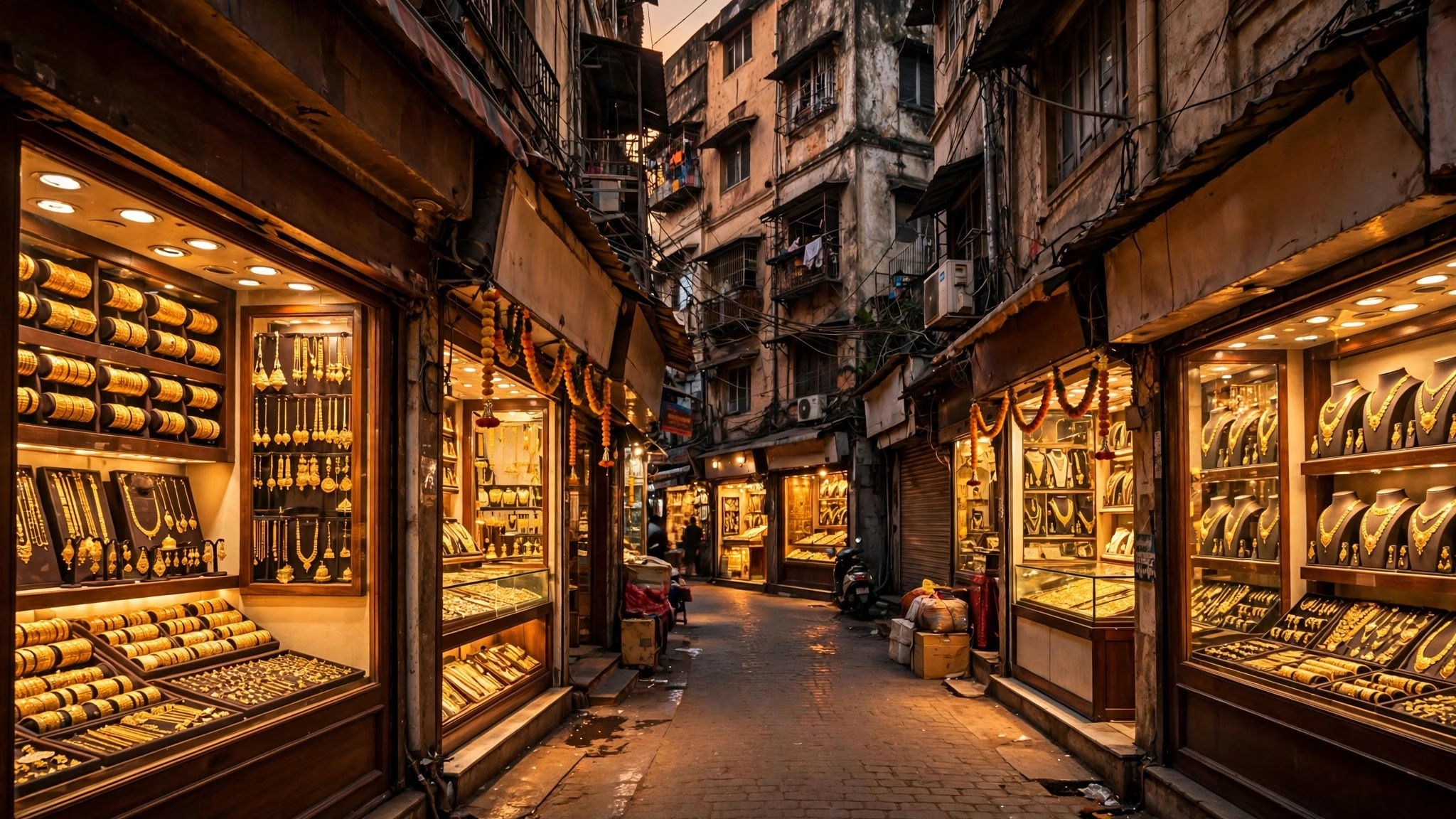
For households planning festive purchases, jewellers advise comparing making charges across shops, since these can vary significantly and often add more to the final bill than small day-to-day movements in the gold rate itself. Checking the Bureau of Indian Standards hallmark, which certifies purity, remains the standard safeguard against under-caratage fraud.
Silver’s outperformance relative to gold on the day fits a pattern seen through the festive season, when demand for silver coins and gift articles typically surges. Traders say silver has been drawing additional interest from industrial buyers as well, given its uses in electronics and solar panels, on top of the traditional festive demand for ornaments and utensils.
Looking ahead, dealers expect trading to remain active through the Diwali week. While short-term price direction will hinge on international cues and currency movements, the festive calendar alone tends to keep Indian buying robust. As always, these wholesale reference rates are a starting point for negotiations, not the final retail price at any city’s jewellery counter.
