


Jr NTR has drawn a firm line against the misuse of artificial intelligence. The Telugu superstar this week condemned an AI-morphed video built around “Chuttamalle” — his chart-topping song from Devara: Part 1, picturised on him and Janhvi Kapoor — calling the clip “disgusting, sick and shameless” and vowing strict legal action against those responsible.
The video, which began circulating on social media platforms this week, allegedly uses AI tools to manipulate visuals associated with the actor and the popular track. What some may dismiss as internet mischief, Jr NTR has treated as a serious violation — and he wants the full force of the law brought to bear on it.

“Disgusting, sick and shameless”
Taking to social media, the actor did not mince words. He described the morphed video as “disgusting, sick and shameless”, making it clear that he found the content deeply offensive. Beyond the condemnation, he issued a direct warning: strict legal action will follow against those who created and circulated the video.
He also used the moment to call for stronger regulation of artificial intelligence, arguing that unchecked AI tools are increasingly being weaponised to target public figures — and that the law needs to catch up with the technology.
Why “Chuttamalle” became the target
“Chuttamalle” is no ordinary film song. The romantic number from Devara: Part 1 (2024), composed by Anirudh Ravichander, became one of the biggest Telugu chartbusters of its year, with its visuals featuring Jr NTR and Janhvi Kapoor — who made her Telugu cinema debut with the film — drawing massive attention. The song’s popularity is precisely what made it a target: morphed content hitched to a beloved track travels faster online.
For Jr NTR, the issue is as much about consent as it is about technology. An AI-manipulated video trades on his face, his film and his co-star’s image — none of which, he has made clear, is acceptable raw material for someone else’s algorithm.
A growing menace for Indian cinema
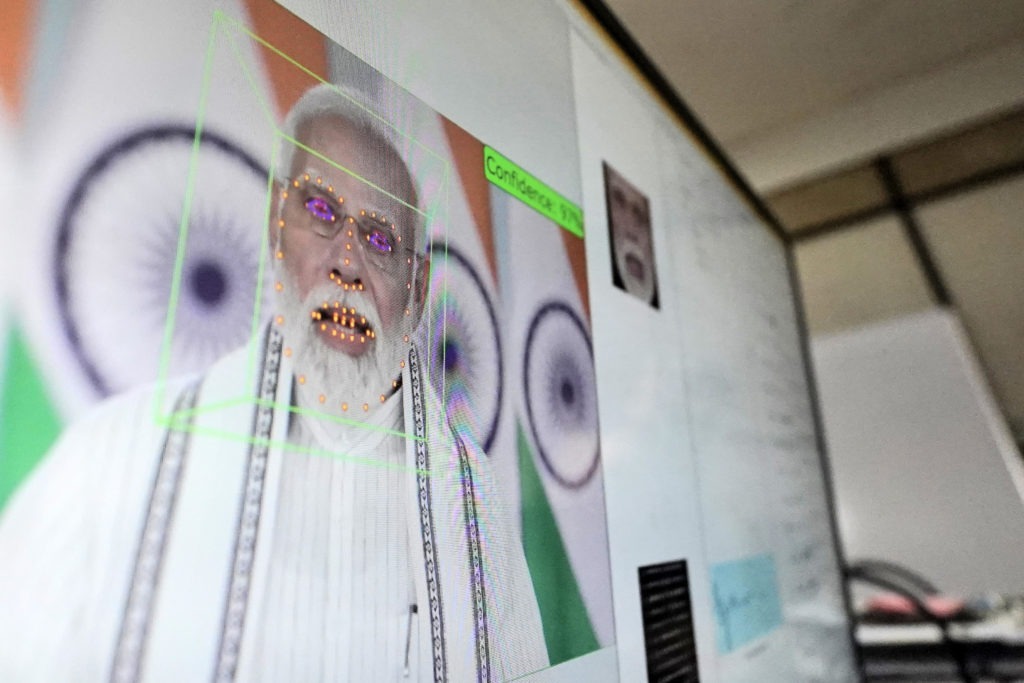
The actor’s outrage lands amid a worrying surge in AI-generated deepfakes targeting Indian celebrities. In recent years, several leading stars have found their faces and voices cloned or transplanted into fabricated videos, sparking debates about digital consent, platform accountability and the adequacy of existing laws.
Jr NTR’s intervention adds one of the biggest names in Telugu cinema to the chorus demanding action. His call for AI regulation echoes a sentiment growing across the entertainment industry: that the technology’s creative promise cannot come at the cost of a person’s dignity and likeness.
The challenge for platforms is equally stark. Morphed videos can rack up millions of views before takedown mechanisms kick in, and by then the damage — to reputation and peace of mind — is already done. Jr NTR’s decision to name the problem publicly and promise legal consequences puts creators and sharers on notice that virality is not a shield.
What happens next
The actor’s warning of “strict legal action” suggests his team is already moving to identify those behind the video’s creation and circulation. Under India’s IT Act and related provisions, creating and sharing morphed or defamatory content can attract serious penalties — and a high-profile complainant like Jr NTR ensures the case, if filed, will be watched closely.
Beyond the courts, the actor’s demand for AI regulation strikes at the heart of the policy debate. As generative tools become more powerful and widely accessible, lawmakers face mounting pressure to define clear liabilities for AI misuse — and Jr NTR’s voice adds significant star power to that push.
For now, his message to the internet is unambiguous: disgusting, sick, shameless — and actionable. The era of consequence-free deepfakes, he seems to be saying, is over.
