


Mumbai: The Bombay High Court on Thursday, October 22, came down hard on civic and enforcement authorities over the city’s worsening air quality, calling it “shocking” that Mumbai is now surpassing Delhi in pollution levels.
A division bench of Justices G.S. Kulkarni and Dr. Neela Gokhale was hearing a suo motu public interest litigation on noise and environmental pollution during the festive season when it took note of the alarming deterioration. Visibility in parts of the city had dropped below 500 metres on October 20, and recent AQI readings painted a grim picture — BKC at 158, Colaba at 150, Worli at 139 and Deonar at 128.
The bench pulled up the Brihanmumbai Municipal Corporation, the Maharashtra Pollution Control Board and the police for failing to implement its earlier directives, issued on September 22 and October 15, on curbing noise and air pollution during festivals. The court made it clear that the orders were not advisory in nature and that the institutional failure to act on them was unacceptable.

Justice Kulkarni did not mince words about the human cost of the inaction. “People are suffering and cannot move out, morning walks are impossible,” he observed, questioning how officials responsible for enforcement could have “peaceful sleep” when the city was facing what he described as “an emergency”.
In a particularly telling instance cited by the court, firecrackers were burst outside a police station in south Mumbai despite the restrictions in force — an episode the bench saw as emblematic of the breakdown in enforcement on the ground.
Issuing a set of firm directions, the court ordered the Mumbai Police Commissioner to convene an emergency meeting with all station in-charges across the city. A formal standard operating procedure is required on unauthorised processions and the illegal use of firecrackers, and an affidavit detailing implementation must be filed before the court by October 26.
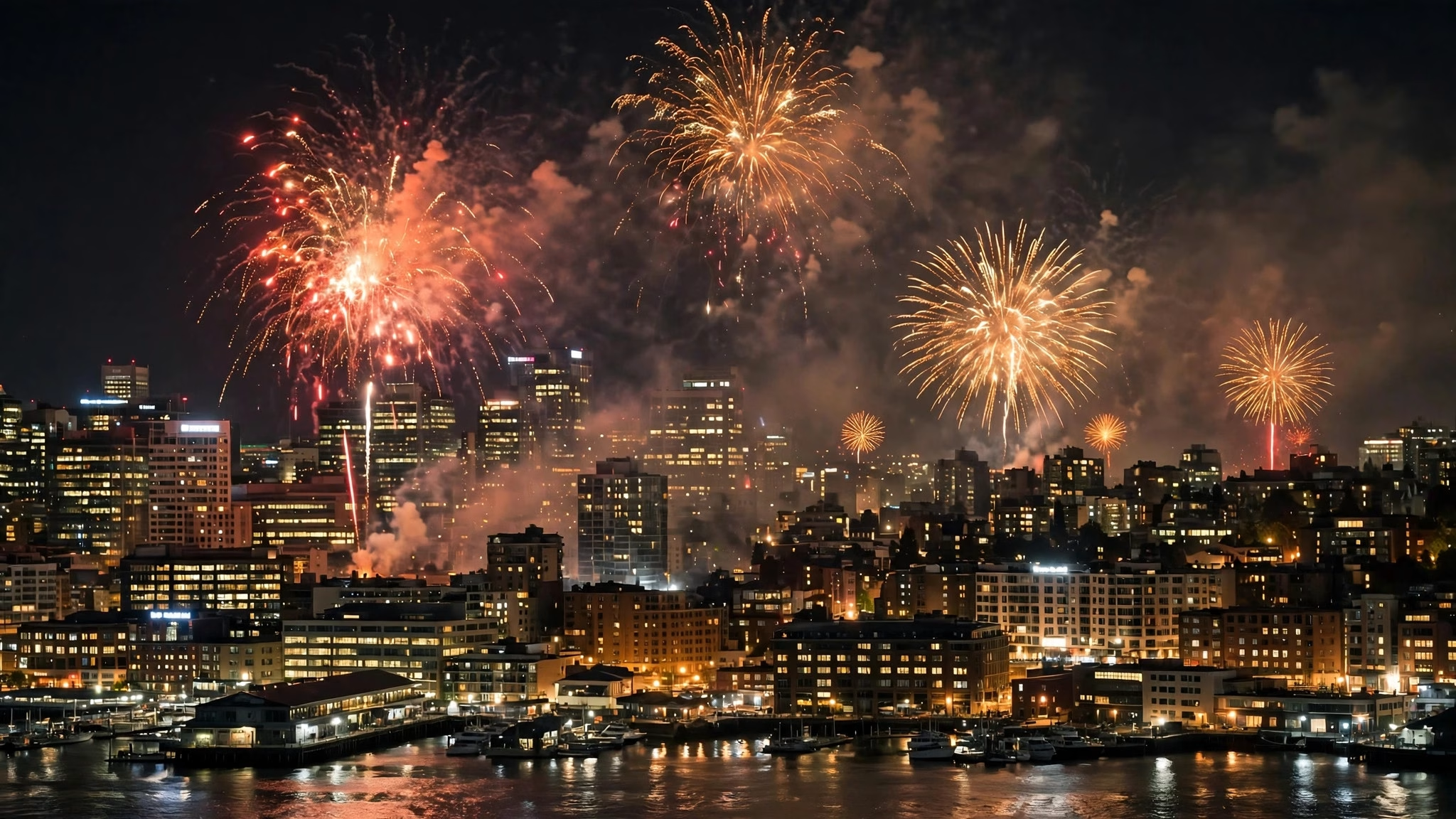
The bench’s intervention comes at a time when the city’s festive calendar has traditionally pushed pollution levels upward, but this year’s spike has drawn judicial attention for its severity and for the administration’s apparent inability to learn from prior orders.
For now, the court has kept the matter firmly on its radar. With the compliance affidavit due on October 26, the BMC, the pollution control board and the police face a week of reckoning — and a bench that has made clear it will not settle for paperwork in place of results.
