

New York: India delivered one of its sharpest public rebukes of a United Nations official in recent memory on October 21, accusing counter-terrorism Special Rapporteur Ben Saul of “incompetence” over a report that described fugitive underworld don Dawood Ibrahim as the leader of an “India-based” crime syndicate.
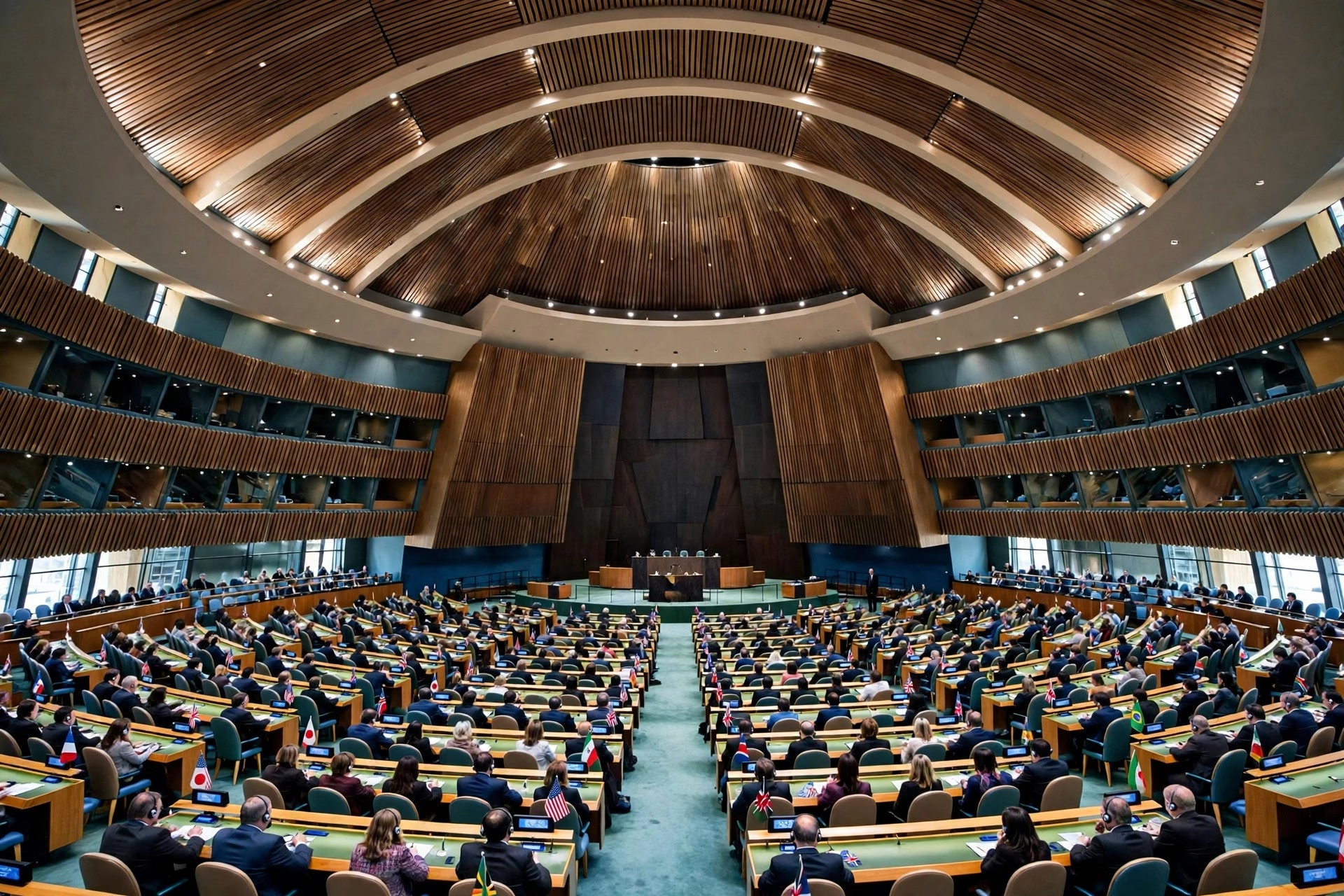
Speaking at the UN General Assembly in New York, Indian diplomat Raghoo Puri took strong exception to what he called the report’s “glaring inaccuracies”, arguing that projecting Dawood Ibrahim as India-based turned the facts on their head. The man India has wanted for the 1993 Mumbai serial blasts — among the deadliest terror attacks in the country’s history — fled Indian jurisdiction long before he was designated under the UN Security Council’s sanctions regime in 2003, Puri pointed out.
The Indian intervention was unsparing in its language. Puri called the characterisation “regrettable” and warned that such misreporting by a UN mandate-holder does “tremendous harm” to the credibility of the counter-terrorism architecture the world body claims to uphold. For New Delhi, the stakes were not academic: how Dawood is described in official UN documentation feeds directly into the diplomatic contest over who shelters him.
Puri drove the point home with an argument drawn from the UN’s own records. The listing details, he noted, place the fugitive’s residence in the same country where Osama bin Laden was found and neutralised — a formulation that named Pakistan without naming it, and that drew on a parallel India has invoked for years. Islamabad has consistently denied that Dawood lives on its soil, a claim New Delhi treats with open derision.
The broadside did not stop at the D-Company description. Puri also used the floor to rebut Pakistan’s customary remarks on Kashmir, reiterating that Jammu and Kashmir and Ladakh are “an inalienable part of India” — standard language, but delivered with unusual force in a session already charged by the Dawood exchange.
The clash fits a broader pattern of India’s increasingly combative posture toward UN special procedures. New Delhi has long argued that several mandate-holders produce reports on India with thin sourcing and pre-loaded conclusions, and Indian diplomats have grown less shy about saying so on the record. The reference to Rubio’s remark the same day — that “UN experts are an oxymoron” — captured a mood that extends well beyond South Block.
For the UN system, the episode is awkward. Special Rapporteurs are independent experts, not UN staff, and the organisation typically declines to defend or disavow their findings. But when a major member state uses the General Assembly floor to accuse a rapporteur of incompetence, the reputational damage lands on the institution regardless.
What happens next is predictable: the report will stand as written, India will continue to disregard its characterisations, and the diplomatic shadow-boxing over Dawood Ibrahim — wanted for over three decades, designated for over two — will continue. On October 21, though, New Delhi made sure its objection was entered into the record in the bluntest possible terms.
