

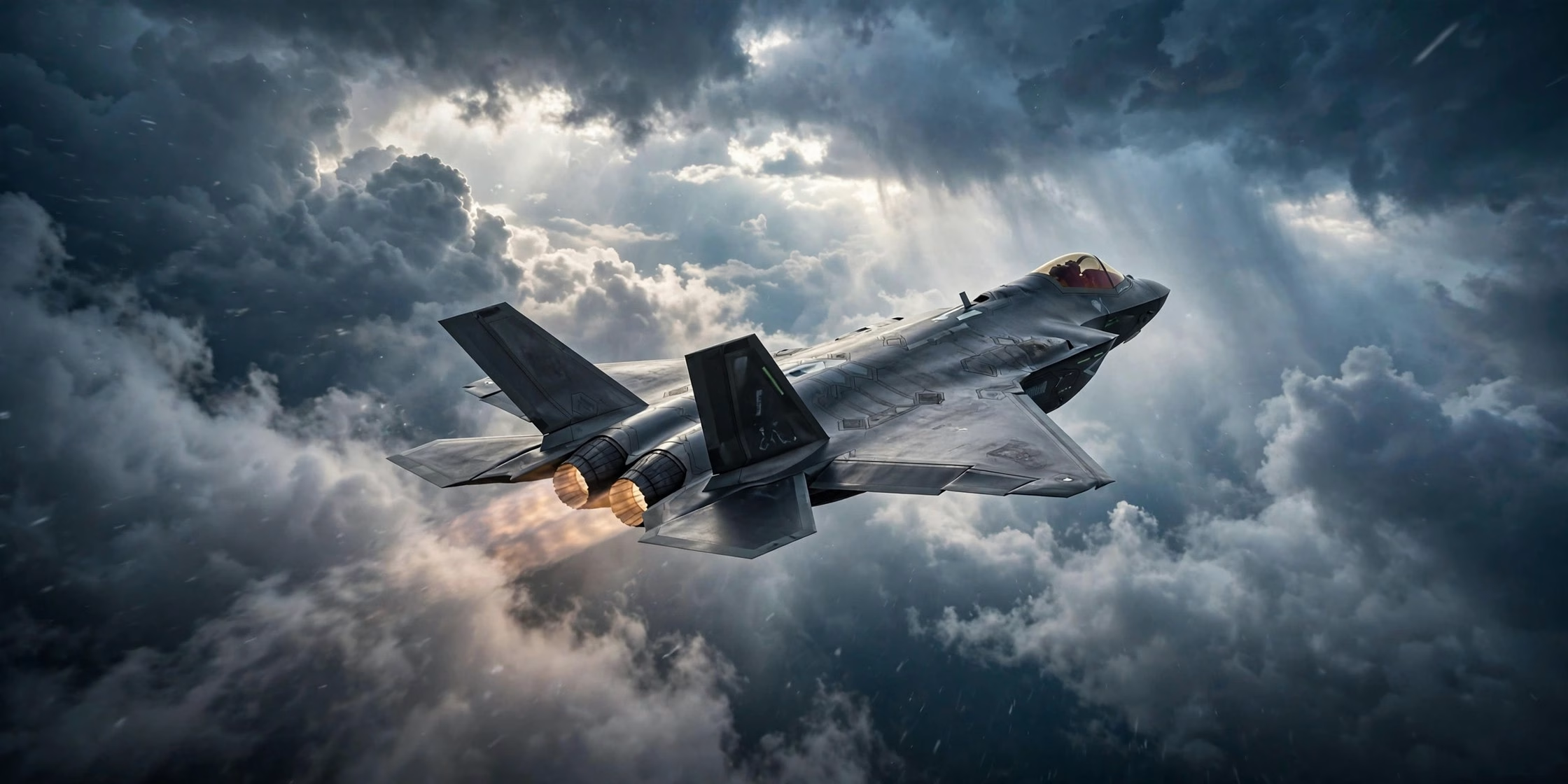
India could consider buying fifth-generation fighter jets from abroad if its indigenous programme faces delays, Air Chief Marshal AP Singh indicated at his annual press conference ahead of Air Force Day on October 8 — a remark that has put the spotlight back on Russia’s Su-57 offer and the Indian Air Force’s dwindling squadron strength.
Addressing the media in New Delhi, the IAF chief said the force remains committed to the indigenous Advanced Medium Combat Aircraft (AMCA) programme but did not rule out “foreign options” should timelines slip. The statement is being read as the clearest signal yet that the IAF wants to keep all its options open as the regional race for fifth-generation air power intensifies.
Pakistan–China collaboration a worry
A key concern flagged by the Air Chief was the growing Pakistan–China collaboration on fifth-generation fighter technology. With China already operating the J-20 stealth fighter and Pakistan moving closer to Beijing on next-generation platforms, the Air Chief said the developments were being watched “very carefully” in New Delhi.

Tejas Mk1A delays acknowledged
The Air Chief also acknowledged delays in the delivery of the Tejas Mk1A, the indigenous light combat aircraft that forms the backbone of the IAF’s near-term modernisation plans. The hold-up, largely linked to engine supply chains, has added to the pressure on the force, whose squadron strength is well below the sanctioned figure of 42.
Russia’s Su-57 pitch
It is against this backdrop that Russia’s pitch for the Su-57 has gained fresh attention. Moscow has offered the stealth fighter with local co-production and technology transfer — a proposal aimed squarely at India’s “Make in India” push. Russian officials have repeatedly said a Su-57 deal could include significant manufacturing in India along with access to key technologies.
What lies ahead
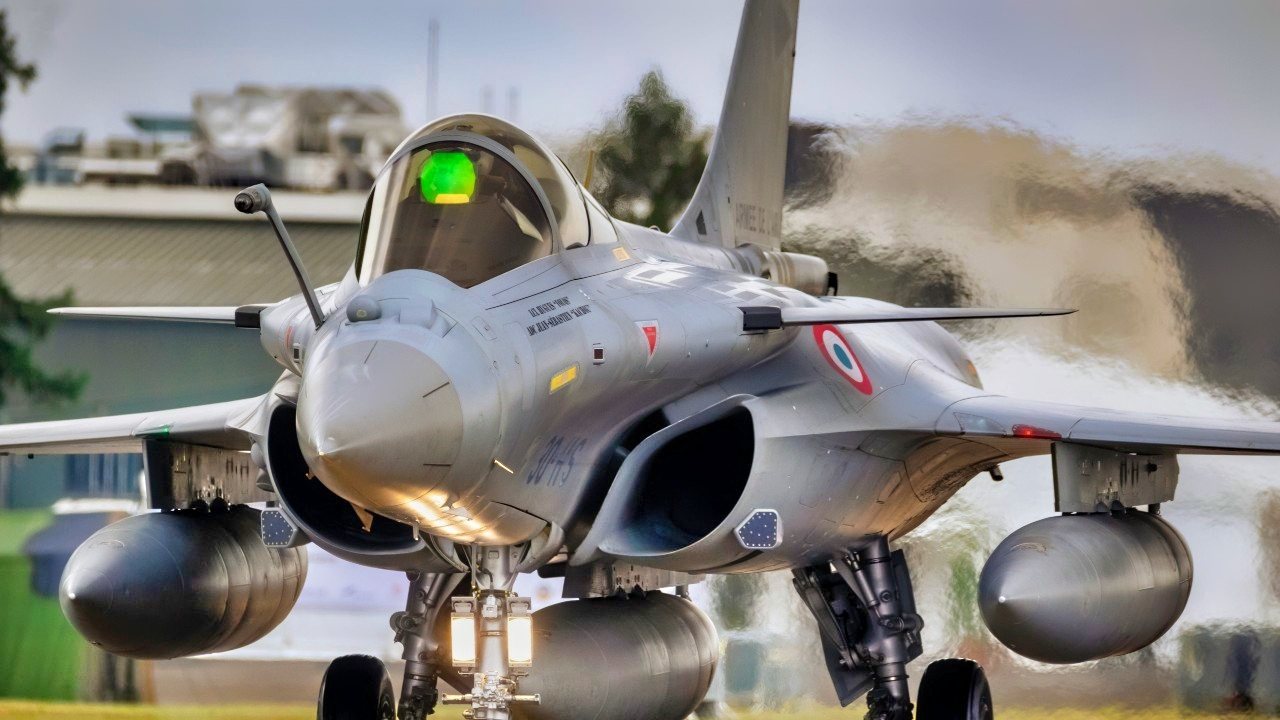
Defence analysts note that any foreign fifth-generation acquisition would serve as a stopgap while the AMCA, India’s own stealth fighter programme, moves through development — a process expected to take several more years. The IAF has been vocal about the need to arrest the fall in squadron numbers in the interim.
The Air Chief’s remarks also come amid a broader global churn, with several countries reassessing their fighter fleets as fifth-generation capabilities become the new benchmark. For India, the choice — between waiting for the AMCA, buying from abroad, or doing both — will shape the country’s air power for decades.
For now, the message from the top is clear: the IAF will not let squadron strength slide while it waits, and every option, foreign or indigenous, is on the table.
