

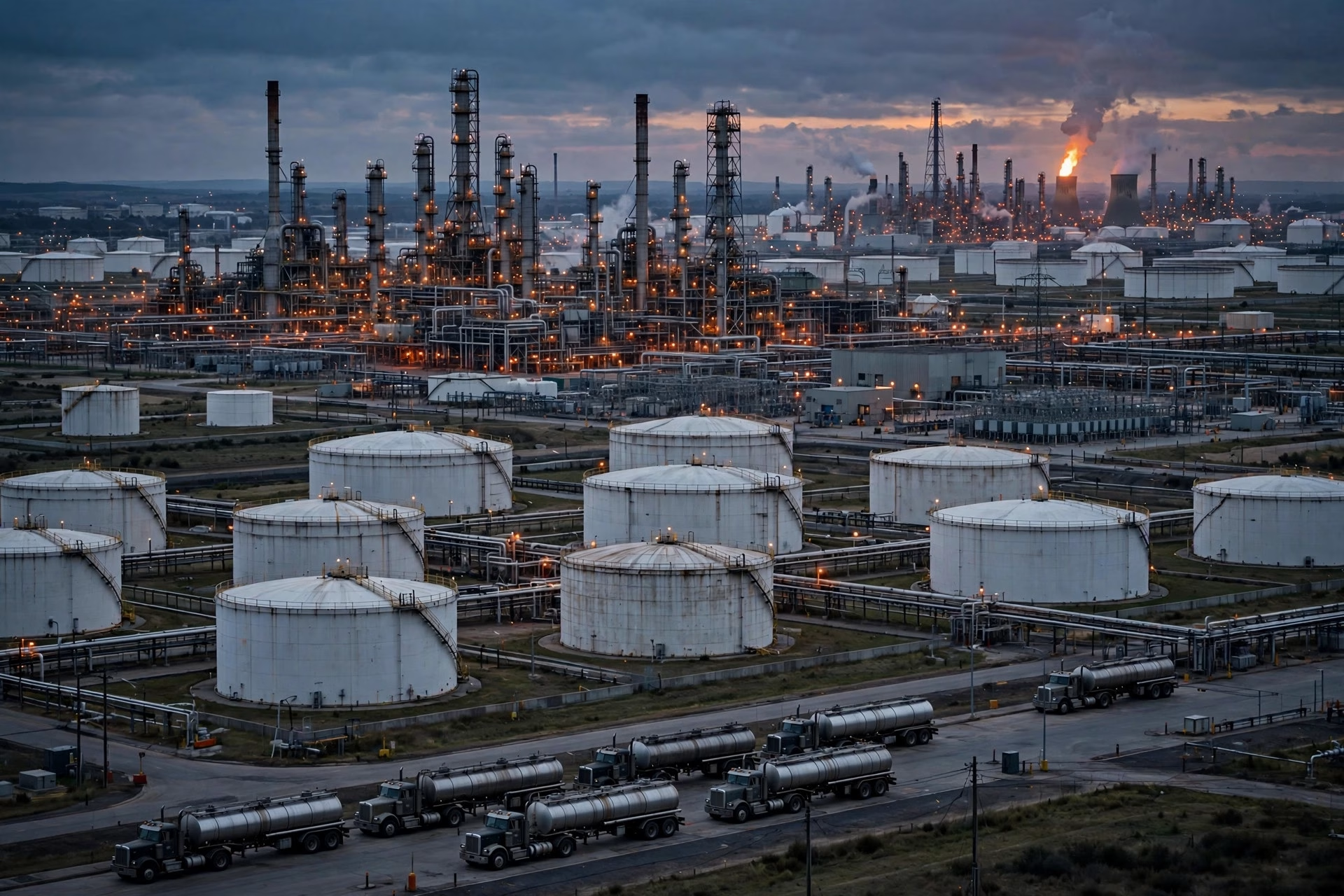
Washington: The diplomatic rift between Donald Trump and Volodymyr Zelenskyy deepened sharply over the weekend, as the US President said on Saturday, October 10, that “it’s time for Ukraine to get a new president” — accusing the Ukrainian leader of damaging global diesel supplies through strikes on Russian refineries.
Trump’s remark followed Zelenskyy’s furious reaction to a deal announced by Trump on October 9, after a phone call with Russian President Vladimir Putin, under which Russia would supply diesel to the United States and world markets. The US Treasury subsequently issued a temporary licence permitting Russian diesel purchases until April 7, 2027 — a partial and time-bound easing of the sanctions architecture built up since the invasion of Ukraine.
Zelenskyy, who has watched Western sanctions on Russian energy slowly tighten over four years, called the agreement “absolutely terrible.” He linked the lifting of sanctions to a Russian attack on Zaporizhzhia on October 10 that killed 20 people, including three children. “Russia said thank you… by dropping five glide bombs,” he said — a claim that has not been independently verified by this publication.
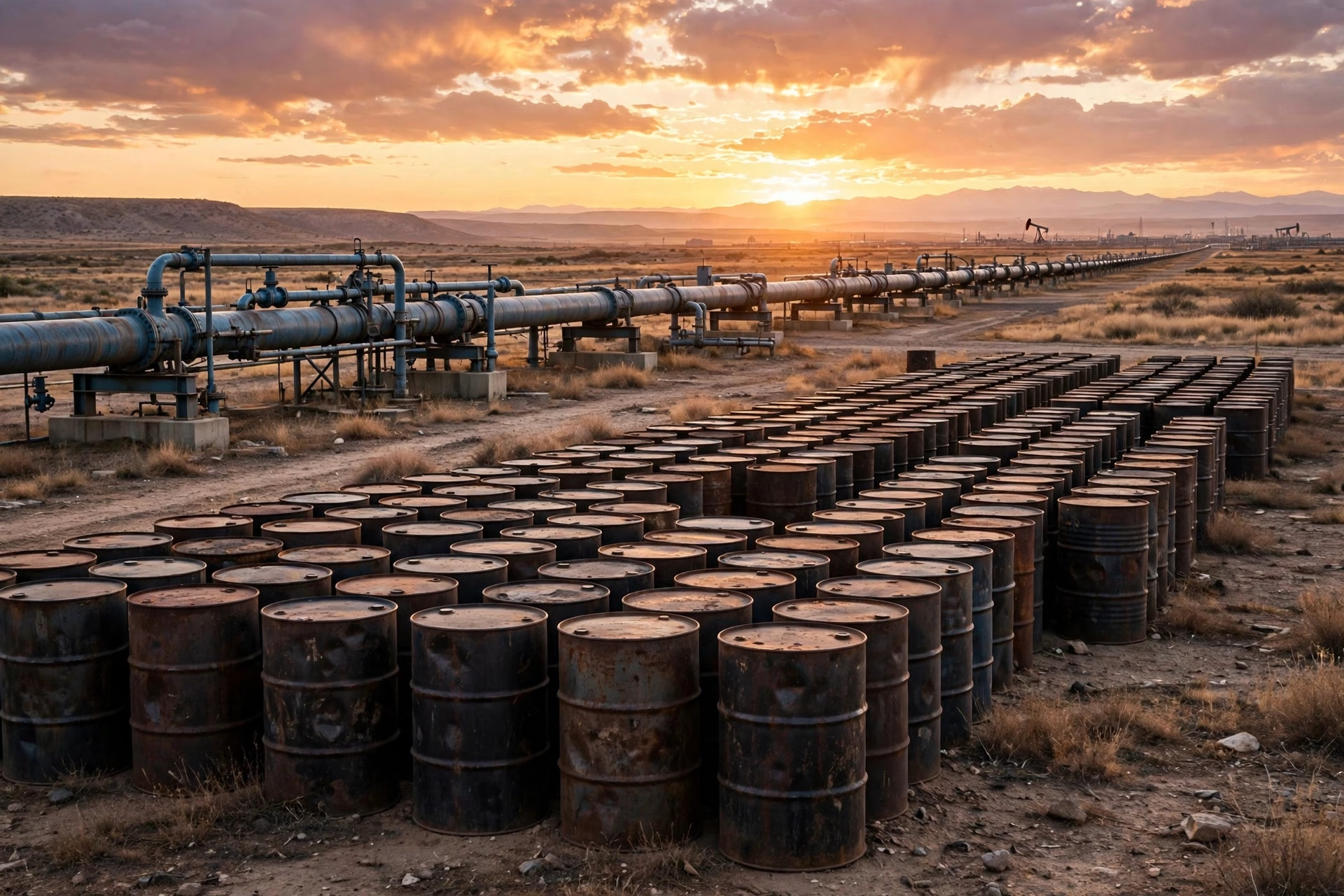
The context is a global diesel market under strain. Diesel prices surged after the Iran war broke out in February and the Strait of Hormuz was effectively closed, choking a critical artery of energy trade. Russia’s envoy Kirill Dmitriev described the diesel arrangement as “iconic and historic” — language that underscored how dramatic a reversal the deal represents from years of Western energy sanctions on Moscow.
An ‘Energy Ceasefire’ — With Disputed Terms
On Sunday, October 11, Trump added a new layer of confusion. Posting on Truth Social, he declared that an “energy ceasefire” was in place, claiming both parties had agreed to it. Zelenskyy responded that the announcement was news to him. Russia’s government, for its part, said it had partially lifted its ban on diesel exports — a move consistent with the deal, but not with Kyiv’s understanding of a ceasefire.
Zelenskyy has long argued that Ukraine’s strikes on Russian refineries are legitimate acts of war aimed at degrading Moscow’s military capacity. Trump, by contrast, has framed those strikes as the cause of pain at the pump for American consumers — an argument with obvious domestic resonance as fuel prices remain a sensitive political subject.
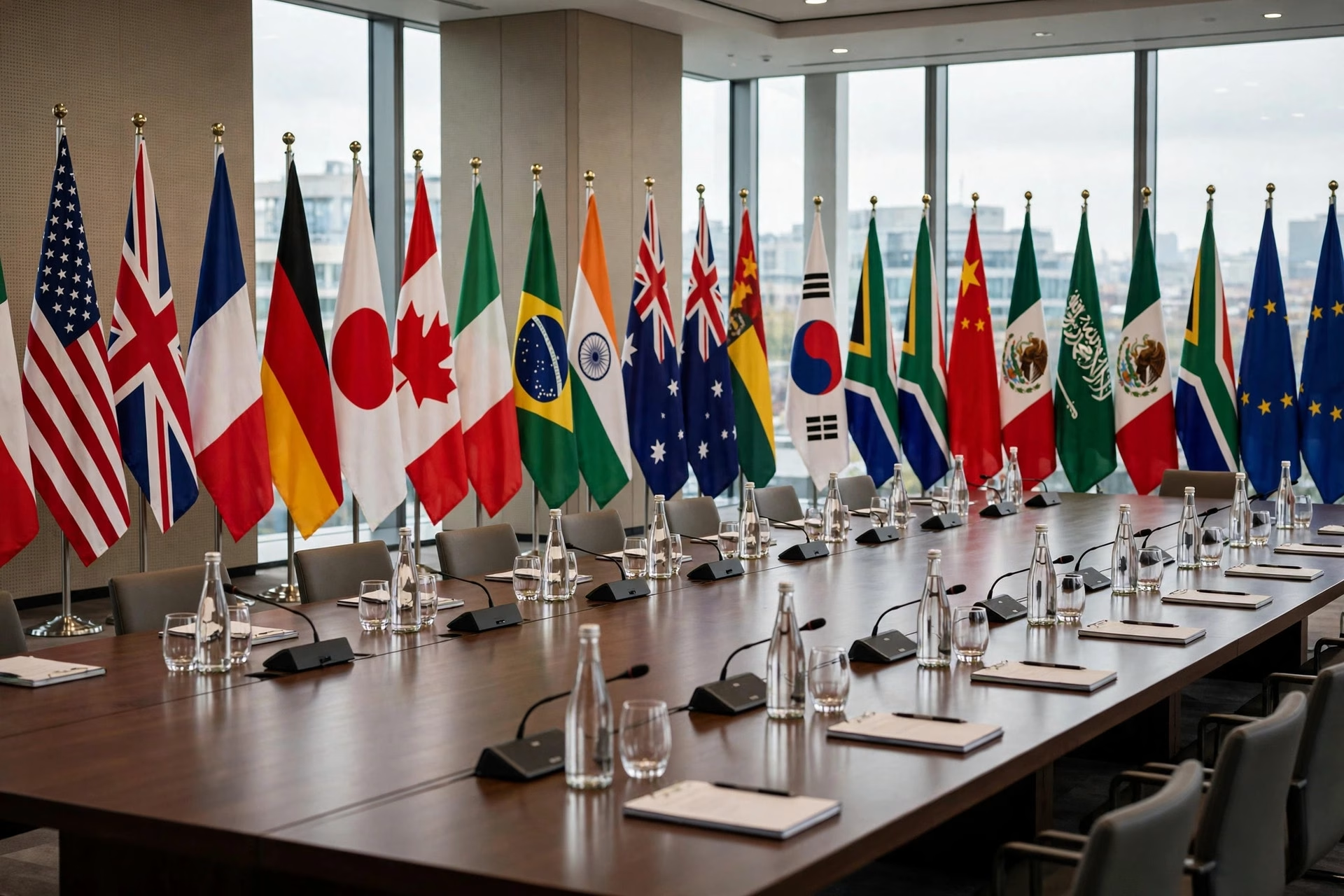
In an interview on ABC’s “This Week” on October 11, Zelenskyy offered a conditional path forward: Ukraine would hold elections, he said, if Putin agreed to a 60-day ceasefire. “Please tell Putin, give us two months… and we will organise elections,” he said. Under Ukraine’s constitution, elections are barred while martial law is in force — a point his critics frequently omit.
What Comes Next
Whether Trump’s demand for a new Ukrainian president is pressure tactics or a genuine policy shift remains unclear. Washington’s temporary diesel licence runs until April 2027, giving Moscow a long runway. For Kyiv, the twin developments — a sanctions reprieve for Russia and a public American demand for Zelenskyy’s exit — represent the bleakest weekend of the Trump era. For Moscow, they are a windfall it has not had since 2022. The one certainty is that the war’s energy dimension, long treated as a sideshow to the battlefield, is now at the centre of the diplomacy.
