

Mumbai: The on-stage confrontation between singer Daler Mehndi and a Uttarakhand cabinet minister has escalated into a full-blown industry-versus-government flashpoint, with the Federation of Western India Cine Employees (FWICE) writing to Prime Minister Narendra Modi and Uttarakhand Chief Minister Pushkar Singh Dhami over what it calls the public humiliation of the veteran artist.
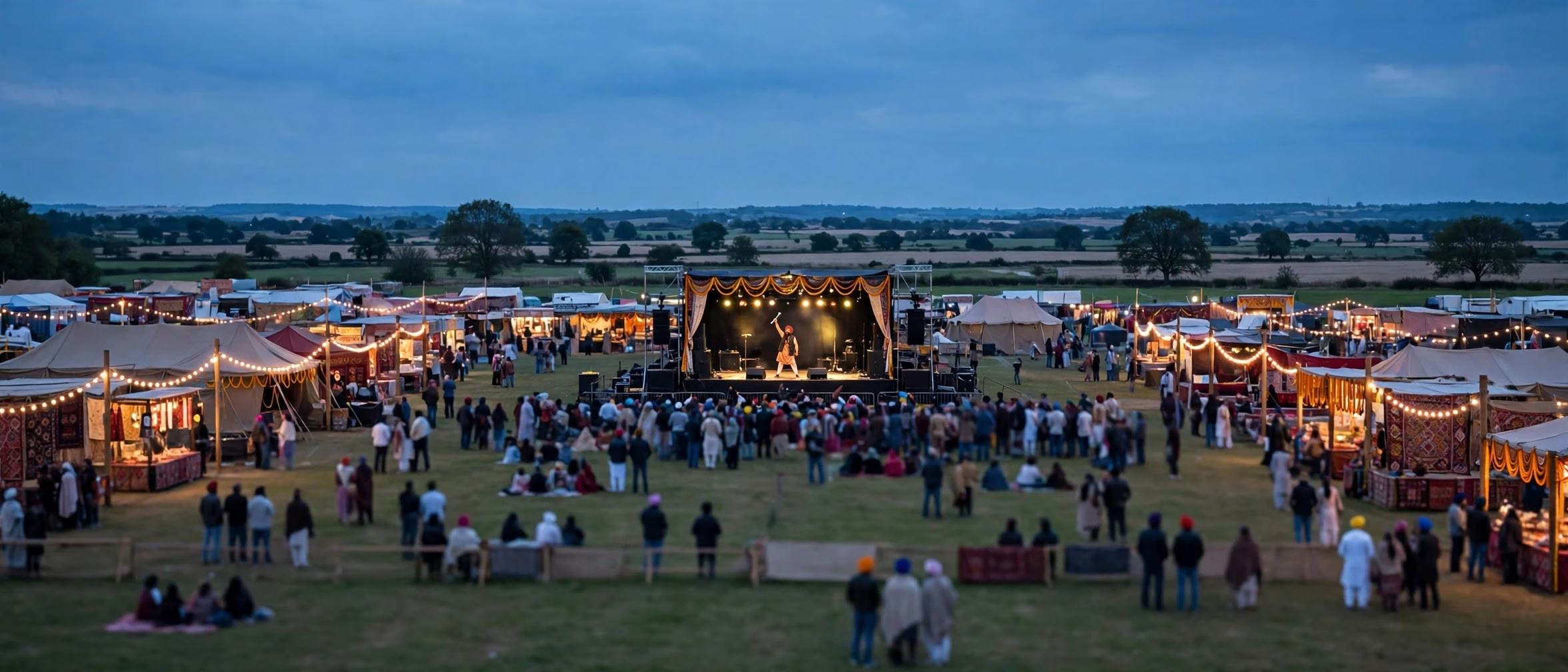
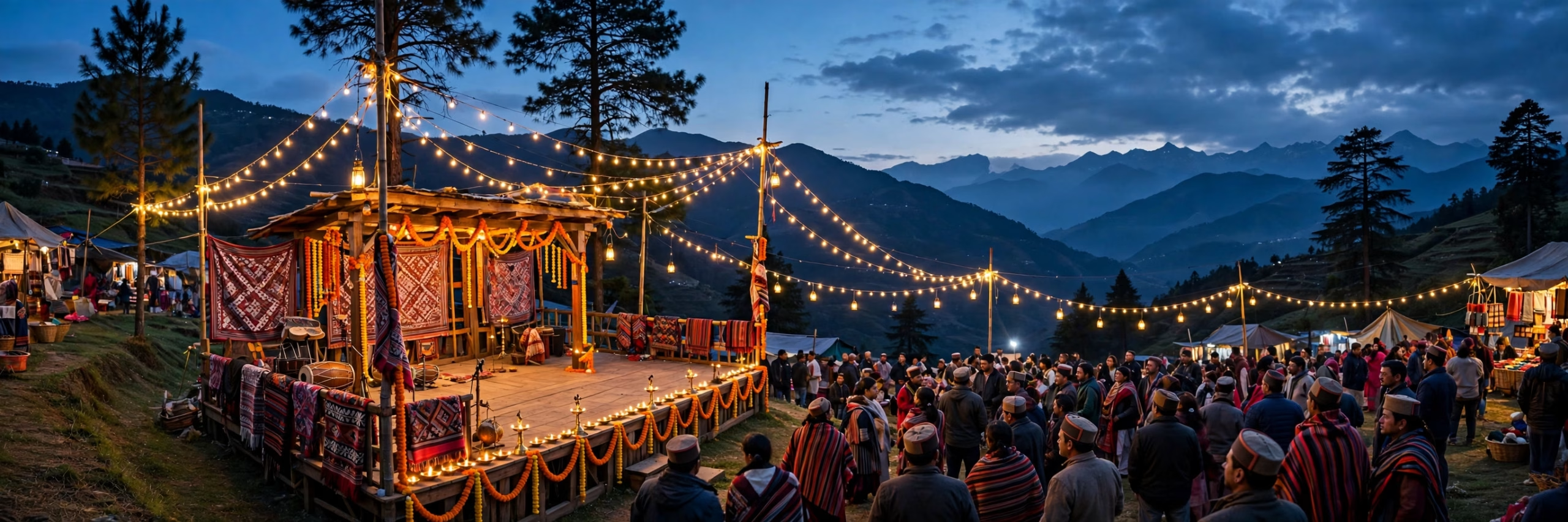
The incident took place on Sunday at the Siddhpeeth Maa Kunjapuri Tourism and Development Fair in New Tehri, where Mehndi was performing before a large crowd. Mid-performance, Uttarakhand Cabinet Minister Subodh Uniyal interrupted the singer on stage and alleged that he was performing under the influence of alcohol — a charge that was captured on video and has since gone viral, triggering a fierce debate over how public figures treat artists.
FWICE, the apex body representing workers across the film and entertainment industry, has come out strongly in Mehndi’s defence. In its letter, the federation asserted that Mehndi is not a “consumer of alcohol” and pointed out that the singer is currently recovering from surgery and dealing with ongoing health issues — a fact, it said, that makes the public allegation particularly cruel. The body urged that any concerns about artists be handled “with sensitivity and discretion rather than through public reprimand”, and described the episode as “deeply distressing to the entire entertainment fraternity.”
The alcohol allegation itself remains exactly that — an allegation, attributed solely to the minister, with no independent verification on record. That distinction matters. What is undisputed is the manner of the confrontation: a cabinet minister halting a live performance to level a personal charge at the performer, in front of thousands of spectators and rolling cameras. It is that spectacle of public shaming, rather than the underlying claim, that has united the industry behind Mehndi.
The singer’s supporters argue that even if a minister had concerns about a performer’s condition, the stage — mid-song, before a live audience — was the worst possible forum to air them. Protocol, they say, would have been a quiet word backstage or a formal communication through the event organisers. Instead, the episode played out as theatre, with the artist left to absorb the humiliation in real time.
The political dimension is impossible to ignore. By writing directly to the Prime Minister, FWICE has elevated what began as a local dust-up into a national conversation about the dignity of artists and the conduct of elected representatives. The letter to Chief Minister Dhami, meanwhile, puts the state government on notice: the industry expects a response, whether in the form of an inquiry, an apology, or at minimum an acknowledgment that the minister’s conduct fell short.
For Mehndi, a singer whose career spans three decades and whose voice defined an era of Punjabi pop, the episode is a painful coda to a lifetime on stage. Those who have worked with him describe a thorough professional; FWICE’s pointed reference to his post-surgery recovery suggests the federation wants the public to understand the human cost behind the viral clip.
As of October 22, neither the minister nor the state government had issued a detailed public response to FWICE’s letters. The video, meanwhile, continues to circulate, and the debate it sparked — about power, protocol, and the respect owed to performers — shows no sign of fading. In an industry that rarely speaks with one voice, the unanimity of the response may be the most telling detail of all.
