

The Tata-Iveco venture has set itself an ambitious five-year goal, with chairman N Chandrasekaran outlining a target of nearly six lakh vehicles annually within five years. The $24-billion venture, described as the world’s fourth-largest commercial vehicle firm, is aiming to build scale at a pace that would place it firmly among the global heavyweights of the commercial vehicle industry. The revenue scale reported for the venture stands at Rs 2.28 lakh crore, underscoring the sheer size of the combined enterprise.
Chandrasekaran’s target of nearly 600,000 vehicles a year is a statement of intent as much as it is a business plan. In the commercial vehicle world, volumes of that order require manufacturing depth, a wide product range, strong distribution and the ability to serve very different markets. Setting such a goal publicly signals confidence that the venture can bring together the strengths of both partners and convert them into sustained growth over the coming years.
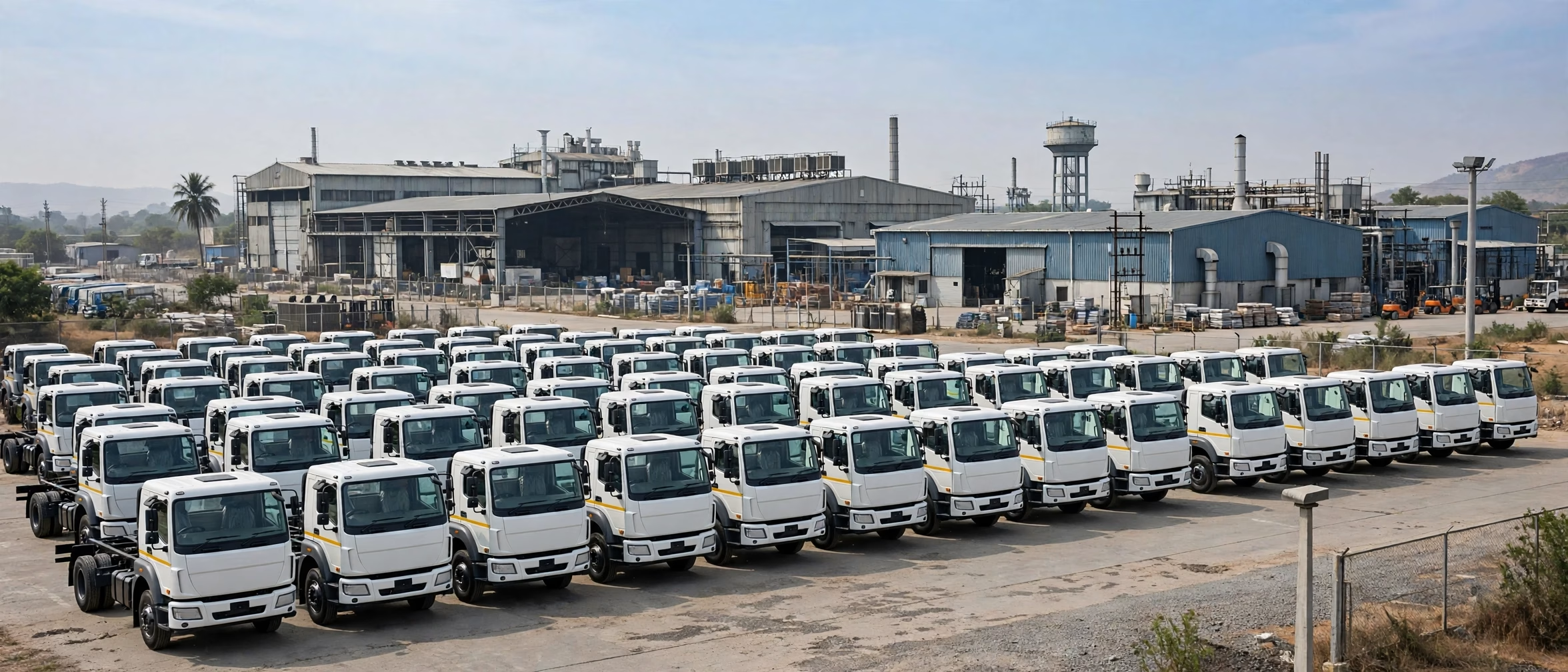
A central part of the plan is India. Tata Motors is identifying Iveco models for assembly in India, with India assembly plans underway as the venture looks to strengthen its manufacturing footprint in one of the world’s largest commercial vehicle markets. Local assembly matters in this industry: it brings production closer to customers, supports local supply chains, and allows products to be adapted to the conditions and requirements of Indian roads and operators.
The India focus also fits naturally with Tata Motors’ established presence in the country. The company already operates at scale in the Indian commercial vehicle market, and adding Iveco models to its assembly plans would broaden the range on offer to Indian fleet owners and transport operators. For customers, a wider portfolio can mean more choice across vehicle categories, while for the venture it can mean a stronger base from which to grow.
Overseas expansion is also under consideration, as the venture looks beyond its home markets to build a genuinely international footprint. Commercial vehicle makers increasingly compete across borders, and a venture of this scale would be expected to weigh opportunities in new geographies carefully. Expansion abroad, however, is a long and demanding exercise, requiring the right products, partnerships and service networks in each market entered.
For the wider Indian automotive industry, the venture’s plans are significant. Commercial vehicles are the backbone of goods transport in India, moving everything from agricultural produce to industrial goods across the country. A stronger, larger commercial vehicle enterprise with global ambitions could have implications for manufacturing, component suppliers and the transport ecosystem that depends on these vehicles every day.
The five-year horizon is also important. Chandrasekaran’s target is not framed as an overnight transformation but as a goal to be reached over five years, which allows time for assembly plans to take shape, for models to be introduced, and for overseas opportunities to be evaluated. That timeframe suggests a measured approach: building the foundations first, then scaling volumes steadily towards the nearly six lakh annual mark.
What happens next will be watched closely by the industry. The identification of Iveco models for assembly in India, the progress of those assembly plans, and any decisions on overseas expansion will each be milestones on the road to the five-year target. For now, the venture has laid out its ambition clearly: a $24-billion enterprise, ranked among the world’s largest commercial vehicle firms, aiming for nearly six lakh vehicles a year within five years.
