

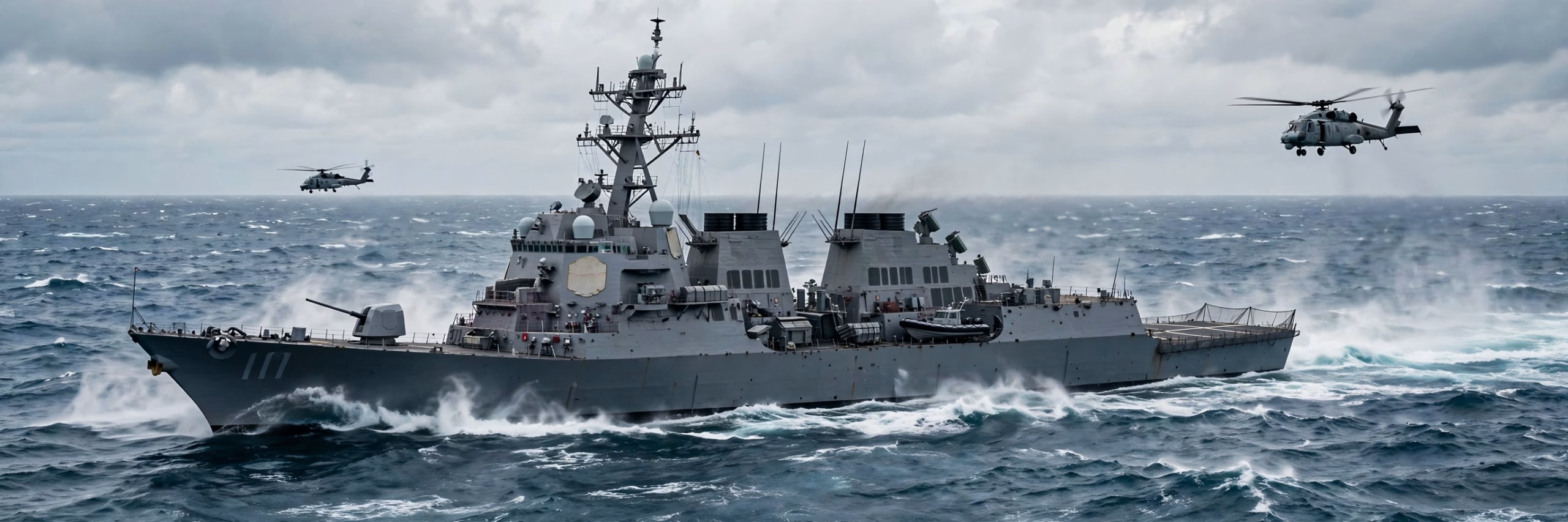
The Indian Navy has rescued all 20 crew members of the hijacked fishing vessel Azini off the coast of Somalia, according to headlines reported on 4 November 2026. The rescue brought a safe end to the hijacking ordeal for every person on board the vessel, with no crew member left behind in the operation. For the families of those on board, the news will have come as an enormous relief after the anxiety that inevitably follows any report of a vessel being seized at sea.
Hijackings at sea are among the most frightening experiences a seafaring crew can face. A fishing vessel far from shore is isolated by definition, and its crew has limited means of calling for help or resisting an armed boarding. The rescue of all 20 crew members is therefore a significant outcome, whatever the circumstances of the seizure itself. The safe recovery of an entire crew is the first priority in any such operation, and in this case that priority was achieved in full.
The waters off Somalia have long been associated with the risk of piracy and armed robbery at sea. The region sits astride some of the world’s busiest shipping lanes, where vessels of every kind, from large merchant ships to small fishing boats, pass close to the Horn of Africa.
Against that background, the presence of the Indian Navy in the region reflects India’s long-standing interest in the safety of shipping and seafarers in waters that are vital to its own trade and to the livelihoods of Indian and other crews. Naval deployments in such areas are generally concerned with deterring attacks, responding to distress calls and protecting merchant and fishing traffic. The rescue of the Azini’s crew fits squarely within that wider pattern of maritime security work.
Fishing vessels face particular risks in such waters. They are generally smaller and slower than merchant ships, they operate for long periods far from port, and they carry crews who are often unarmed and untrained for confrontation. A fishing boat on the open sea is therefore an easier target than a large, fast-moving container ship with a high freeboard. That vulnerability is a general feature of fishing operations in high-risk areas, and it is one reason why naval patrols and regional cooperation matter so much to the fishing community.
It is important to be clear about what has been confirmed in this incident and what has not. The confirmed facts are the rescue itself and the number of crew involved: all 20 members of the Azini’s crew were rescued by the Indian Navy. Details beyond that, including the nationality of the vessel, the identity of the hijackers and the precise method of the rescue, were not part of the initial reports and should not be assumed. Further information may emerge in due course, but the essential news, the safety of the crew, is already established.
More broadly, the incident underlines why maritime security off Somalia remains a live concern. Piracy in the region has waxed and waned over the years, but it has never disappeared entirely as a risk, and the seas around the Horn of Africa continue to require vigilance from navies, shipping companies and fishing operators alike. International cooperation, information-sharing and naval patrols all form part of the response, alongside efforts on land to address the conditions that allow piracy to persist.
For now, the story of the Azini has the ending that matters most: all 20 crew members are safe.
